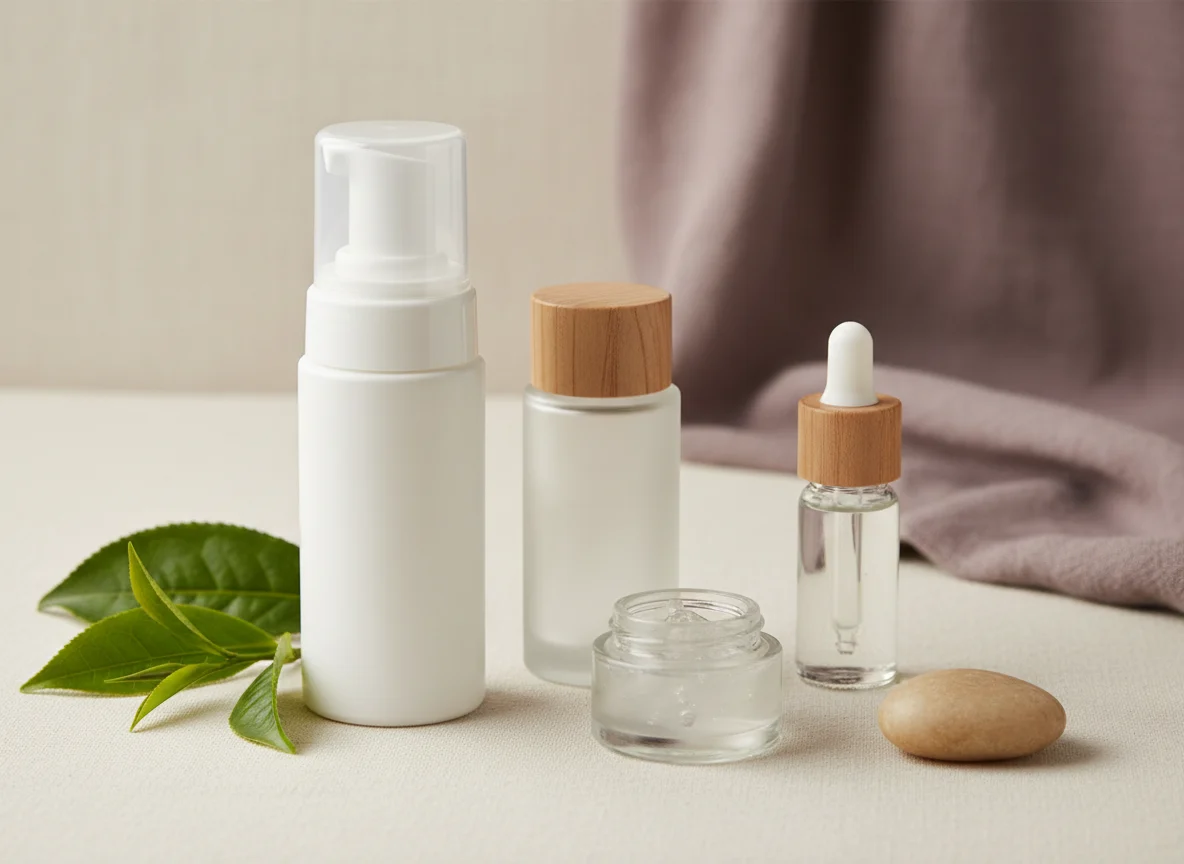
Shine by lunchtime, make-up that slides off by mid-afternoon and the odd breakout that seems to arrive at the worst moment: if that sounds familiar, a well-planned skincare routine for oily skin can make a real difference. The good news is that oily skin doesn’t need harsh products or a ten-step regime. It needs gentle cleansing, light hydration and a few targeted extras, used consistently. Here’s how to build a routine that keeps shine and blemishes in check without leaving your skin tight or irritated.
Why does skin get oily and acne-prone?
Your skin produces sebum, a natural oil that helps protect it. Some people simply make more of it, often because of genetics, hormones or the time of year. When that extra oil mixes with dead skin cells, pores can become blocked, which is where blackheads and spots come from.
A common mistake is trying to strip the oil away with very strong cleansers or alcohol-heavy toners. Skin that feels squeaky and tight can become dehydrated, and that often leaves it looking shinier and more uncomfortable. If you’re unsure whether your skin is oily, dehydrated or both, our guide to dry vs dehydrated skin explains how to tell.
Your skincare routine for oily skin: morning
Mornings are about removing overnight oil, adding lightweight moisture and protecting your skin for the day ahead.
- Cleanse gently. A foaming cleanser lifts excess oil without scrubbing. The Purifying Mousse is designed for exactly this kind of everyday cleanse. Use lukewarm water rather than hot, and pat your face dry.
- Tone. Sweep the Purifying Toner over your face with a cotton pad to refresh skin and remove any last traces of cleanser.
- Moisturise with a gel. Yes, oily skin still needs moisture. A gel texture sinks in quickly and doesn’t feel heavy. The Niacinamide Gel Moisturiser is a good match, as niacinamide is popular for helping skin look more balanced and pores look less obvious. You can read more in our post on niacinamide benefits for skin.
- Protect. Finish with sunscreen every day, even when it’s cloudy. The Sunscreen SPF30 with tint evens out the look of skin as well as protecting it, which can mean you need less foundation.
Evening routine for acne-prone skin
In the evening, the focus shifts to clearing away the day’s oil, sunscreen and pollution, then giving skin what it needs overnight.
- Cleanse thoroughly. If you wear make-up or sunscreen, cleanse twice: once to break down products and a second time with your foaming cleanser to clean the skin itself.
- Treat. Use a clarifying step such as the Clarifying Gel on areas that tend to get congested, usually the forehead, nose and chin.
- Spot care. For individual blemishes, dab a little Acne Spot Care directly onto the spot. It combines salicylic acid with tea tree oil and is meant for targeted use rather than all over the face.
- Hydrate lightly. Finish with a light, oil-free layer such as the Oil-Free Hydrating Gel, so your skin stays comfortable overnight.
Salicylic acid for acne: how to use it well
Salicylic acid is a beta hydroxy acid (BHA) that is oil-soluble, which is why it’s so widely used for oily and blemish-prone skin. A few tips:
- Start slowly, using it every other evening, and build up as your skin gets used to it.
- Don’t layer it with several other exfoliating acids on the same night.
- Always wear sunscreen the next day, as exfoliated skin can be more sensitive to the sun.
- If you notice stinging, redness or peeling, cut back on how often you use it.
Weekly extras
Once or twice a week, a gentle exfoliant can help keep pores clearer and skin smoother. The AHA Peeling Concentrate works on the surface of the skin. Use it on an evening when you skip other active products, and don’t use it on broken or irritated skin.
Common mistakes to avoid
| Mistake | Why it backfires | Try instead |
|---|---|---|
| Skipping moisturiser | Skin can become dehydrated and uncomfortable | A light gel moisturiser morning and night |
| Scrubbing hard | Can irritate skin and make redness worse | A gentle foaming cleanser and soft hands |
| Using too many actives at once | Increases the chance of irritation | Introduce one new product at a time |
| Picking spots | Can lead to marks that last longer than the spot | Targeted spot care and patience |
| Skipping sunscreen | Leaves skin unprotected and marks more visible | A daily SPF30 or higher |
A few lifestyle tips
Skincare is only part of the picture. Change your pillowcase a couple of times a week, clean your phone screen regularly and try not to rest your chin in your hands. Blotting papers are handy for a midday touch-up without piling on more powder. Give any new routine at least four to six weeks before judging the results, because skin takes time to respond.
If your breakouts are painful, deep, widespread or leaving scars, please see a doctor or pharmacist. Persistent acne can need professional advice and treatment, and there’s no need to manage it on your own.
Frequently asked questions
Should oily skin use moisturiser?
Yes. Oil and water are different things, and oily skin can still lack hydration. A lightweight gel moisturiser helps keep skin comfortable without adding heaviness.
How often should I wash my face if it’s oily?
Twice a day is enough for most people, morning and evening, plus after exercise. Washing more often can leave skin tight and irritated.
Can I use salicylic acid every day?
Some people can, but it’s best to start every other day and see how your skin responds. If you notice dryness or irritation, use it less often. If you’re pregnant or using prescription treatments, check with a doctor or pharmacist first.
Ready to build your routine? Explore the JavaPlums face care collection.