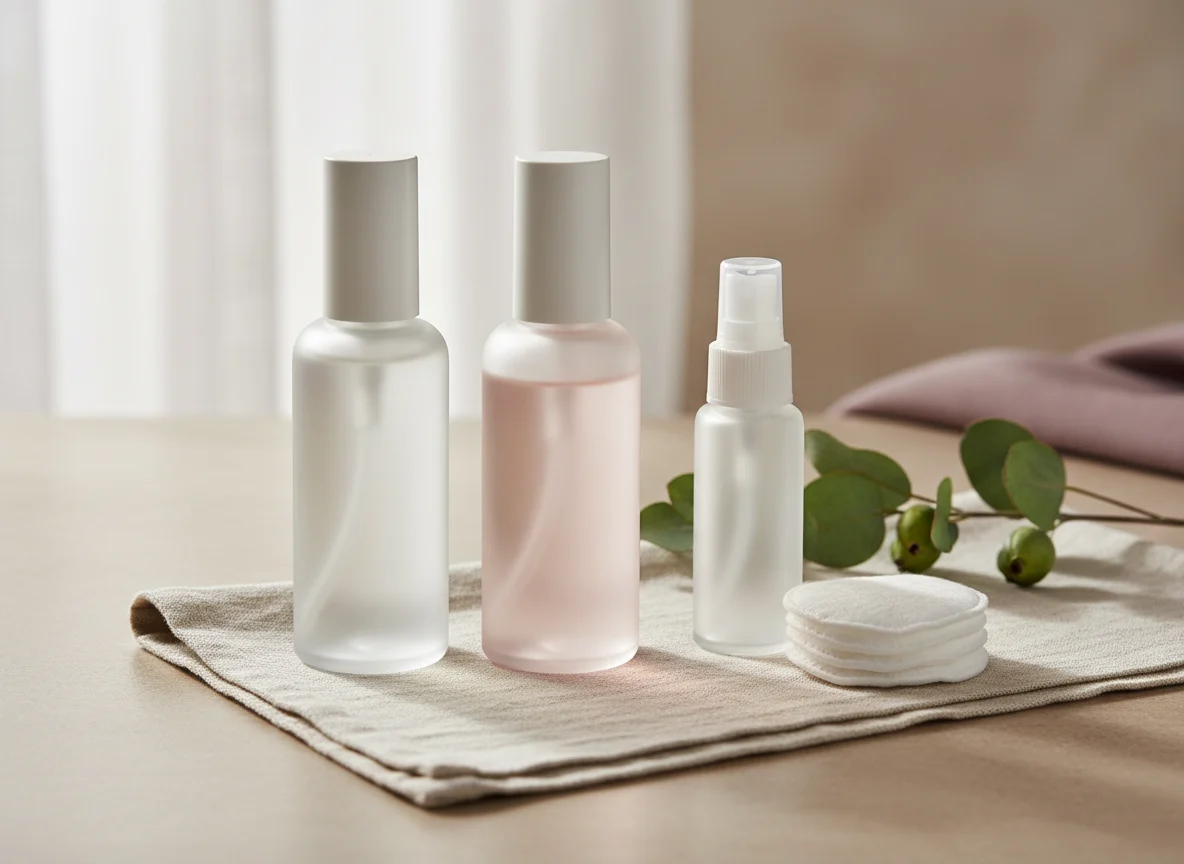
Toner is one of those steps that people either swear by or skip entirely. So what does toner do, exactly, and is it worth the extra thirty seconds? In short, a modern toner is a light, watery liquid you apply straight after cleansing to finish the cleanse, rebalance the skin’s feel and prepare it for whatever comes next. The right one depends on your skin: a hydrating toner suits dry, tight or sensitive skin, while a purifying toner suits oily, shiny or blemish-prone skin.
What does toner do? The short answer
Older toners were often harsh and left skin feeling stripped. Most modern toners are gentle, watery formulas that do three useful jobs:
- Finish the cleanse. A cotton pad of toner picks up the last traces of cleanser, make-up or the minerals in hard tap water, which is common in many parts of Europe.
- Leave skin comfortable. Instead of that tight, just-washed feeling, skin feels soft and refreshed.
- Prepare the skin for the next steps. Slightly damp skin takes serums and moisturiser more evenly, so a few drops of serum spread further.
Toner is not a substitute for moisturiser. Think of it as a supporting step that makes the rest of your routine feel and work a little better.
Do I need a toner?
Strictly speaking, no one needs a toner. Plenty of people have lovely skin with just a cleanser, moisturiser and sunscreen. But toner earns its place if any of these sound familiar:
- Your skin feels tight or dry after washing, especially in winter or after a hot shower.
- You live somewhere with hard water and notice a dull, filmy feeling after cleansing.
- Your skin gets shiny by midday and you want a lighter, fresher finish.
- You use several layers (serum, moisturiser, eye cream) and want them to sit better.
Hydrating toner vs purifying toner
The two main families of toner are built for opposite skin needs. Here’s a quick comparison:
| Hydrating toner | Purifying toner | |
|---|---|---|
| Best for | Dry, dehydrated, normal or sensitive skin | Oily, combination or blemish-prone skin |
| How it feels | Soft, cushioned, comforting | Fresh, clean, lightweight |
| Main aim | Add a light layer of moisture and ease tightness | Remove excess oil and leave a less shiny finish |
| When it shines | Winter, central heating, after travel | Warm weather, humid days, after exercise |
Hydrating toner
A hydrating toner is all about comfort. It’s the one to reach for if your face feels taut after cleansing or if cold weather and indoor heating leave you flaky. Our Hydrating Toner leaves skin feeling soft and ready for serum. Follow it with the Hydrating Serum with hyaluronic acid while skin is still slightly damp, then seal everything in with a moisturiser such as the Sensitive Skin Moisturiser, Fragrance Free.
Purifying toner
A purifying toner is for skin that tends towards shine and congestion. It helps clear away excess oil and leftover residue so skin feels fresh rather than greasy. Try the Purifying Toner after the Purifying Mousse, then finish with a light, gel-based moisturiser like the Niacinamide Gel Moisturiser, which won’t feel heavy on oily skin.
What about combination skin?
If your T-zone is shiny but your cheeks feel dry, you have two easy options. Use the purifying toner only on your forehead, nose and chin and the hydrating one on your cheeks, or switch by season: purifying in summer, hydrating in winter. There’s no rule that says you have to stick to one.
How to use toner, step by step
- Cleanse first. Remove make-up and SPF with a gentle cleanser. Micellar Cleansing Water is a quick option for mornings or as a first cleanse in the evening. If you’re unsure which cleanser suits you, our guide to choosing a face cleanser for your skin type walks through the options.
- Apply toner. Either soak a cotton pad and sweep it gently outwards from the centre of your face, or pour a little into clean palms and press it into the skin. Pressing is kinder to dry or sensitive skin.
- Don’t wait too long. Apply your serum while skin is still a little damp.
- Moisturise. Always follow with a moisturiser, and in the morning, sunscreen.
Not sure where toner sits among everything else? Our skincare routine order guide lays out the full sequence for morning and night.
Toner vs face mist
Toner is a step in your routine, applied after cleansing. A face mist is something you can also use throughout the day, over make-up or moisturiser, whenever skin feels tired or tight. The Microbiome Prebiotics Face Mist, made with prebiotics, works well in both roles: spritz it after cleansing in place of toner on busy days, or keep it in your bag for a refresh on the train or in a dry office.
Common toner mistakes
- Choosing the wrong type. A purifying toner on already dry skin can leave it feeling tighter. Match the toner to how your skin feels, not to habit.
- Ignoring stinging. If any toner stings, burns or causes redness, stop using it. If irritation persists, see a doctor or pharmacist.
Frequently asked questions
Should I use toner morning and night?
You can use it twice a day, but once is fine too. Dry skin often prefers it in the evening only; oily skin enjoys the fresh feel in the morning too.
Can toner shrink pores?
No product can change your pore size permanently. A purifying toner can help skin look less shiny, which can make pores appear less noticeable.
Is toner suitable for sensitive skin?
A gentle, hydrating toner is usually the better pick for sensitive skin. Patch test any new product on a small area first, and apply it with your hands rather than a cotton pad. If you have a skin condition such as eczema or rosacea, see a doctor or pharmacist before adding new products.
Ready to find your match? Browse our vegan, EU-made face care collection.